Are you tired of paying exorbitant fees for plumbing repairs? Do you want to take control of your home improvement projects without breaking the bank? If so, you’ve come to the right place! In this article, we’ll explore the essential tools and materials for budget plumbing projects that every DIY enthusiast should have at their disposal. Whether you're a seasoned handyman or just starting your journey into the world of home improvement, understanding what you need can save you both time and money. Plumbing issues can arise unexpectedly, and knowing how to tackle them with the right tools and materials can make a significant difference. From leaky faucets to clogged drains, many common plumbing problems can be resolved with some basic equipment and a bit of elbow grease. In addition to saving you money on professional services, learning to do it yourself empowers you to maintain and improve your home effectively. This guide will walk you through the key items you'll need, including must-have tools and the best materials for various plumbing tasks.
By equipping yourself with knowledge and resources, you'll be ready to tackle any plumbing challenge that comes your way. So let’s dive in and discover how you can become a DIY plumbing pro while sticking to your budget!When it comes to tackling budget plumbing projects, having the right tools and materials is essential for success. The right equipment not only empowers homeowners to handle common plumbing issues themselves but also helps save money on costly professional services. Understanding the various categories of tools and materials needed can make a significant difference in how effectively you can address plumbing challenges. First and foremost, hand tools are fundamental in any plumbing toolkit.
Essential hand tools include adjustable wrenches, pipe wrenches, pliers, screwdrivers, and a good-quality hacksaw. Each of these tools serves specific functions; for example, adjustable wrenches are perfect for tightening or loosening nuts and bolts, while pipe wrenches are designed to grip and turn pipes. Simple tasks such as repairing leaky faucets or replacing sink traps can be easily accomplished with these basic hand tools. Next, you’ll need plumbing materials. This category includes items like pipes, fittings, sealants, and tape.
PVC pipes are a popular choice for DIYers because they are lightweight, affordable, and easy to work with. For instance, if you’re planning to install a new sink or repair a drainage issue, having a variety of PVC fittings and connectors on hand will allow you to make quick adjustments without needing to run out to the store. Additionally, plumber’s tape is crucial for ensuring watertight seals on threaded connections, preventing leaks that could lead to costly water damage. Another important category is cleaning supplies. Clogs are a common issue in plumbing that can often be resolved without professional help.
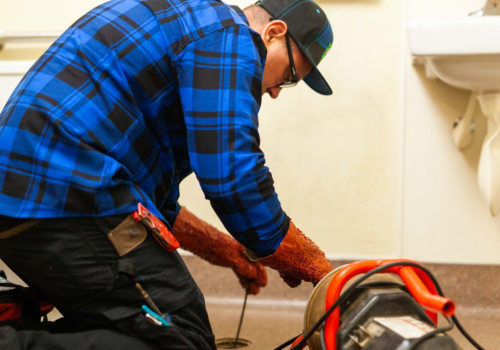
Having a plunger and an auger (or drain snake) on hand can save you from calling a plumber. A simple plunger can clear minor clogs in sinks and toilets, while an auger can reach deeper blockages in pipes. It’s advisable to have some enzymatic drain cleaners as well—they’re effective at breaking down organic material without harming your plumbing. In terms of cost-effective alternatives to professional services, it’s crucial to emphasize the DIY aspect of plumbing. Many simple repairs can be done with minimal experience and just a few tools.
For instance, fixing a leaky faucet typically requires just a wrench and some replacement washers or O-rings. By learning how to tackle these issues yourself, you can keep your home in good working order without incurring high service fees. If you’re located in Portland, finding these tools and materials is relatively straightforward. Local hardware stores like Home Depot, Lowe's, or Ace Hardware typically stock all the essentials for plumbing projects. Additionally, smaller local shops may offer personalized service and advice that can be incredibly beneficial for DIYers.
Don’t forget online options such as Amazon or specialized plumbing supply websites where you can find competitive prices and a wide selection. When considering DIY plumbing work, it’s important to be aware of any local regulations or licensing requirements in Portland. While many small projects don’t require permits, larger undertakings such as installing new plumbing systems or making significant alterations may necessitate permits or inspections. It’s always wise to check with the City of Portland’s Bureau of Development Services to ensure compliance with local building codes. While embarking on your plumbing projects, you may face challenges such as unexpected leaks or difficulty understanding plumbing diagrams. For troubleshooting common problems, having access to instructional videos online or guides can be invaluable.
Websites like YouTube offer numerous tutorials that walk you through various plumbing tasks step by step. Additionally, forums dedicated to DIY home improvement can provide community support when you encounter difficulties. In conclusion, equipping yourself with the right tools and materials for budget plumbing projects not only prepares you for success but also fosters confidence in your DIY abilities. With the right resources at your disposal, you can tackle common plumbing issues head-on while saving money and enjoying the satisfaction that comes from completing projects on your own.
Budget-Friendly Options for Tools and Materials
When embarking on budget plumbing projects, it's essential to find affordable tools and materials that won't break the bank. Fortunately, there are numerous options available for savvy homeowners looking to save money while still getting quality items. For those in Portland, local hardware stores like Home Depot and Lowes often have competitive prices and regular sales on plumbing supplies.Additionally, stores like ACE Hardware provide a more personalized shopping experience and can offer valuable advice for your DIY projects. If you prefer shopping online, websites such as Amazons and eBay can be excellent sources for discounted plumbing tools. They often have a wide variety of both new and used items, allowing you to compare prices and find the best deals. For more specialized needs, consider checking out local classifieds or community marketplaces like Craigslist or Facebook Marketplace. These platforms can connect you with homeowners selling their used tools at a fraction of the retail price. Lastly, don't forget to explore local thrift stores and charity shops. While it may take some time to sift through their inventories, you might just stumble upon some hidden gems that can aid in your Diy plumbing solutions.
Materials for Plumbing Repairs and Installations
When undertaking budget plumbing projects, having the right materials is crucial for achieving successful repairs and installations.Below are some essential materials that every DIY plumber should consider:Pipes are the backbone of any plumbing system. Common types include PVC, CPVC, and PEX. PVC pipes are often used for drainage and venting, while CPVC is suitable for hot and cold water lines. PEX is flexible and easy to install, making it a popular choice for residential plumbing projects.
Fittings
connect different sections of pipes and come in various shapes, such as elbows, tees, and couplings.For instance, when installing a new sink, you might need a combination of 90-degree elbows to navigate around obstacles or tees to branch off to other fixtures.
Sealants
are essential for preventing leaks at joints and connections. Teflon tape is commonly used on threaded fittings to ensure a tight seal, while silicone sealant can be applied around sink edges and drain assemblies to create a waterproof barrier.Adhesives
are necessary for joining pipes and fittings securely. For example, PVC cement is used to bond PVC pipes and fittings together, creating a strong connection that can withstand pressure. Always ensure you choose the right adhesive compatible with the pipe material you are using. By understanding these key materials—pipes, fittings, sealants, and adhesives—you can empower yourself to tackle plumbing projects confidently and efficiently while keeping costs low.Safety Precautions When DIY Plumbing
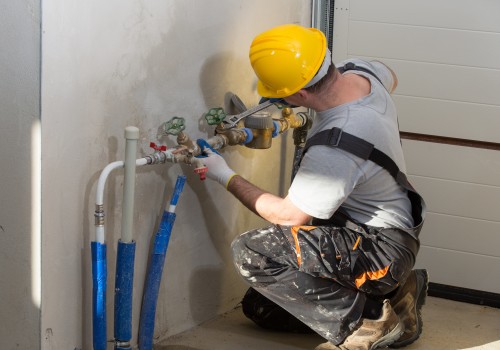
When embarking on DIY plumbing projects, safety should always be a top priority.Taking the right precautions can prevent injuries and ensure a smooth, successful project. Here are some essential safety measures to consider:First and foremost, always wear appropriate safety gear. This includes safety goggles to protect your eyes from debris and splashes, gloves to shield your hands from sharp objects and hazardous materials, and sturdy footwear to prevent slips and falls. If you are working in confined spaces or with chemicals, consider wearing a mask to avoid inhaling harmful fumes. Additionally, it is crucial to turn off the water supply before beginning any plumbing work.
This not only prevents unwanted flooding but also reduces the risk of accidental exposure to pressurized water. Make sure to identify the correct shut-off valve for the area you are working in. When dealing with pipes, always handle them carefully to avoid cuts or punctures. If you need to use tools like pipe cutters or wrenches, ensure they are in good condition and suitable for the job. Using the right tools reduces the risk of accidents and damage. If your project involves soldering or using adhesives, be aware of the potential hazards associated with these materials.
Use them in a well-ventilated area to minimize exposure to fumes and always follow the manufacturer's instructions for safe handling. Lastly, keep a first aid kit accessible in case of emergencies. Knowing how to treat minor injuries can make a significant difference while working on plumbing projects.By adhering to these safety precautions, homeowners can confidently tackle their plumbing tasks while minimizing risks.
Basic Plumbing Tools Every DIYer Should Have
When embarking on budget plumbing projects, having the right tools is crucial for successfully tackling plumbing issues. Here are some essential tools that every DIYer should consider adding to their toolkit:Wrenches: A good set of wrenches is indispensable for plumbing tasks. They are used for gripping and turning nuts, bolts, and pipes.Adjustable wrenches are particularly useful because they can fit various sizes of fasteners, allowing you to tackle different jobs without needing multiple tools.
Pliers
: Pliers come in handy for gripping, twisting, and cutting wires and small pipes. Slip-joint pliers and needle-nose pliers are especially useful in plumbing. Slip-joint pliers can adjust to different sizes of fittings, while needle-nose pliers are perfect for reaching into tight spaces.Pipe Cutters
: When working with pipes, a pipe cutter is essential for making clean, precise cuts. This tool is especially important when you need to replace sections of pipe or create custom lengths for your plumbing system.Using a pipe cutter prevents the jagged edges that can occur with hacksaws, ensuring a better fit and seal.
Plungers
: A reliable plunger is a must-have for any DIY plumber. This tool is designed to clear clogs in sinks, toilets, and tubs by creating pressure that dislodges blockages. Having a high-quality plunger can save you time and frustration when dealing with stubborn clogs. Equipping yourself with these basic tools will not only enhance your ability to handle common plumbing tasks but also enable you to approach DIY plumbing solutions with confidence. With these essentials in hand, you're well on your way to managing your plumbing projects efficiently and affordably. In conclusion, being well-equipped with the right tools and materials is essential for the success of any DIY plumbing project.These resources not only enable homeowners to tackle plumbing tasks more effectively but also foster a sense of accomplishment and independence. We encourage readers to confidently take on smaller projects, utilizing the knowledge and skills gained from this article. Remember, plumbing issues can often be managed with the right approach and preparation. However, it's important to recognize when a situation may exceed your skill level, and seeking professional help is always a viable option.