When a plumbing emergency strikes, knowing how to shut off your water supply can save you from significant damage and costly repairs. Whether it’s a burst pipe, a malfunctioning appliance, or an unexpected leak, acting swiftly is crucial. Understanding the steps to effectively turn off your water supply not only helps mitigate potential flooding but also gives you peace of mind in a stressful situation. This comprehensive guide will walk you through the essential steps to shut off your water supply safely and efficiently. We’ll cover everything from locating your main shut-off valve to troubleshooting common issues that may arise during emergencies.
With this knowledge at your fingertips, you will be better prepared to handle any plumbing crisis that comes your way. So, if you’re ready to empower yourself with the skills necessary to manage plumbing emergencies, let’s dive into the essential steps to shut off your water supply!Knowing how to shut off water supply is an essential skill for every homeowner or renter. In the event of a plumbing emergency, such as burst pipes, major leaks, or flooding, immediate action can prevent extensive damage and costly repairs. Understanding where the main water shut-off valve is located and how to operate it can save you time, money, and stress. In most homes and buildings, the main water shut-off valve is typically found near where the water line enters the building, often in the basement, crawl space, or near the perimeter of the home. In colder climates, it is usually placed inside to prevent freezing.
It is important to familiarize yourself with this location because, during an emergency, every second counts. There are different types of shut-off valves that you should be aware of. The main shut-off valve controls the water supply for the entire house, while individual shut-off valves may be located near specific fixtures like sinks, toilets, or appliances such as washing machines and dishwashers. Understanding how these valves work will empower you to act quickly when needed. To properly turn off the main shut-off valve, locate the valve handle. Most commonly, it is a round wheel or a lever.
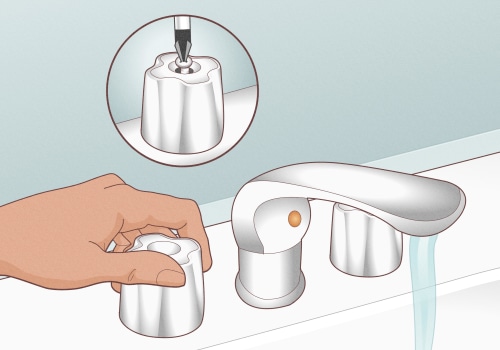
If it is a round wheel, turn it clockwise until it stops. For lever-type valves, simply move the lever perpendicular to the pipe. When dealing with individual fixture valves, they usually have a similar design. Turn the handle clockwise or lift the lever as necessary.
Make sure to check that water flow has stopped by turning on a nearby faucet. It is crucial to ensure that your valves function correctly; otherwise, they may not close completely during an emergency. Common issues include corrosion or mineral buildup that can prevent valves from turning smoothly. If you encounter difficulty turning a valve or if it appears damaged, do not force it. Instead, consider consulting a professional plumber who can assess the situation and provide assistance. Regular maintenance of your shut-off valves can help ensure that they work when you need them most.
Periodically inspect them for signs of rust or leaks and test them by turning them off and on again. If you notice any problems, address them promptly to avoid future issues. If you find yourself in an emergency situation and need immediate assistance beyond shutting off your water supply, there are several local plumbing services available in Portland that can help. Look for licensed and affordable options that offer 24/7 emergency services. Having a trusted plumber's contact information on hand can make all the difference in managing plumbing crises efficiently.
Emergency Plumbing Services in Portland
When facing a plumbing emergency, knowing emergency plumbing services available in your area can be a lifesaver.In Portland, several reliable professionals are ready to assist you at any hour. Here is a list of some of the top emergency plumbing services:1.Portland Plumbing Company: This company offers 24/7 emergency services, including leak repairs, burst pipe fixes, and flood control. You can contact them at (503) 555-0123.
2.Rapid Response Plumbing
: Known for their quick response times, Rapid Response Plumbing specializes in emergency situations such as sewer backups and major leaks. Call them anytime at (503) 555-0145.3.Oregon City Plumbing
: They provide comprehensive emergency plumbing solutions, including water heater failures and clogged drains.Reach them at (503) 555-0167 for immediate assistance.
4.All Star Plumbing
: With experienced technicians available around the clock, All Star Plumbing can handle any plumbing crisis from minor leaks to major flooding emergencies. Their contact number is (503) 555-0189. When you find yourself in a plumbing emergency, remember to contact one of these emergency plumbing services in Portland to ensure a swift resolution and minimize damage to your property.Types of Shut-Off Valves
When it comes to shutting off your water supply, understanding the types of shut-off valves available is essential. Each type of valve has its own specific features and uses, making it important to know which one you have in your plumbing system. One common type of shut-off valve is the gate valve. This valve operates by lifting a gate out of the path of the water flow.It is usually used for main water supply lines and is known for providing minimal resistance to flow when fully open. However, gate valves can be prone to wear and tear over time, which might lead to difficulties in operation or leaks. Another popular option is the ball valve. This type features a spherical disc that controls the flow of water. Ball valves are favored for their durability and ability to provide a tight seal, making them an excellent choice for both residential and commercial plumbing.
They open and close quickly with just a quarter turn, allowing for fast action in emergencies. Additionally, there are compression valves, which are often used in household fixtures like sinks and toilets. These valves use a rubber washer that compresses against the valve seat to stop water flow. While they are effective, they can be prone to leaks if not properly maintained. Knowing the different types of shut-off valves—such as gate valves, ball valves, and compression valves—can empower you to act quickly in a plumbing emergency. Understanding how each valve operates will help ensure that you can efficiently shut off your water supply when necessary.
When to Call a Professional Plumber
While knowing how to shut off your water supply is essential, there are times when the situation may be beyond your control.Recognizing the signs that indicate it’s time to seek help from a licensed plumber can save you from further complications and expenses.
Complex plumbing issues
can arise unexpectedly, and addressing them promptly is crucial. One of the primary indicators that you should call a professional is if you notice persistent leaks that are not resolved by shutting off the water supply or tightening connections. If water continues to seep from pipes or fixtures, it could signify a more serious underlying problem. Another sign is if you experience low water pressure. This could be due to blockages or issues in your plumbing system that require expert diagnosis.Ignoring low pressure can lead to more significant problems down the line. Additionally, if you encounter unusual sounds such as banging, gurgling, or hissing from your pipes, it’s a clear indication that something is amiss. These noises often suggest air in the system or a blockage that needs professional attention. Lastly, if you face backed-up drains or toilets that won’t flush, it’s time to call in a plumber. These issues often require specialized tools and expertise to resolve safely and effectively. In summary, while shutting off your water supply is an important first step during a plumbing emergency, recognizing when to seek professional assistance is equally vital in preventing further damage and ensuring your plumbing system is restored to optimal function.
Step-by-Step Instructions to Turn Off Your Water Supply
Knowing how to shut off your water supply is essential in preventing extensive damage during plumbing emergencies. Whether you are facing a burst pipe, a major leak, or flooding, quick action can save you from costly repairs.Follow these step-by-step instructions to effectively turn off both your main water supply and individual fixture valves.
Step 1: Locate the Main Water Shut-Off Valve
The first step in turning off your water supply is to locate the main shut-off valve. This valve is typically found near where the water line enters your home. Common locations include:- Basements or crawl spaces
- Outside walls
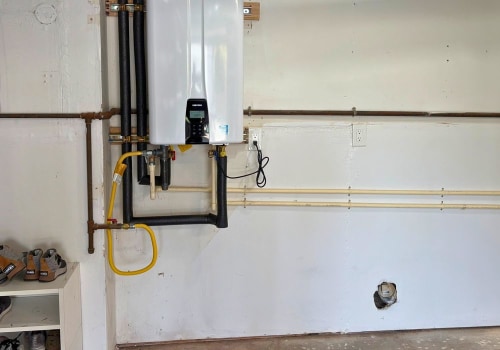
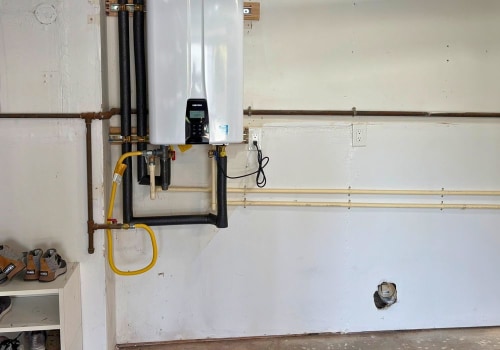
- Near the water heater
Step 3: Identify Individual Fixture Valves
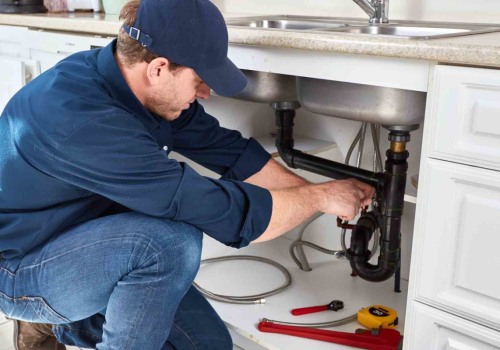
These valves are usually located under sinks, behind toilets, or near appliances like washing machines.
Step 4: Shut Off Individual Fixture Valves
Step 5: Check for Remaining Water Flow
Inside the house, look for the valve in areas close to where the water line enters your home. This is often found in the basement, crawl space, or utility room. The valve may be attached to the wall or located near the floor, so be sure to check carefully. In warmer climates, it's common for the shut-off valve to be situated outside the home, usually near the foundation or in a pit below ground level. If you live in an area prone to freezing temperatures, your valve is likely indoors to prevent freezing and ensure easy access during emergencies.
Sometimes, the valve might be located near the water heater or under a kitchen sink. Regardless of its location, it is essential to familiarize yourself with the main water shut-off valve before an emergency arises. Knowing where it is can save you precious time and help mitigate damage during situations like burst pipes or severe leaks. In conclusion, understanding how to shut off your water supply is a vital skill that every homeowner should possess. Whether faced with a burst pipe, a significant leak, or unexpected flooding, knowing the necessary steps can make a substantial difference in mitigating damage and reducing repair costs. By familiarizing yourself with your plumbing system and locating your main water shut-off valve, you empower yourself to act swiftly in emergencies. Remember, being proactive not only saves you time but also protects your home from extensive water damage.
Keep the contact information of local plumbing services readily available so you can seek professional assistance if needed. Being prepared is the best way to handle plumbing emergencies effectively.