When it comes to plumbing installations, the road to success can be fraught with obstacles.
Common installation pitfalls
can lead to costly repairs, frustrating delays, and even safety hazards. Whether you're a seasoned DIY enthusiast or a homeowner tackling plumbing for the first time, understanding these mistakes is crucial for a smooth and effective installation process. In this guide, we will delve into the common mistakes to avoid during installation, specifically tailored for Portland plumbing. Our goal is to equip you with the knowledge needed to navigate the complexities of plumbing installations while ensuring that your project meets both local codes and your personal expectations. From improper measurements to overlooking essential tools, each misstep can have significant repercussions. , specifically tailored for Portland plumbing. Our goal is to equip you with the knowledge needed to navigate the complexities of plumbing installations while ensuring that your project meets both local codes and your personal expectations. From improper measurements to overlooking essential tools, each misstep can have significant repercussions.As you read on, you'll discover practical tips and insights that will not only save you time and money but also enhance the overall quality of your plumbing work. Prepare to embark on a journey of learning as we uncover the key pitfalls to watch out for and how to sidestep them effectively. When it comes to plumbing installation, understanding the common mistakes to avoid during installation is crucial for ensuring both functionality and compliance with local codes. A significant number of homeowners and business owners in Portland may overlook these pitfalls, leading to costly repairs and emergencies that could have been easily avoided. Addressing these mistakes not only saves time and money but also enhances the overall efficiency of the plumbing system. One of the most prevalent errors is improper pipe sizing.
This mistake can result in low water pressure, which frustrates daily activities such as showering or washing dishes. If the pipes are too small for the intended flow rate, they can restrict water movement, causing inconvenience and dissatisfaction. Furthermore, oversized pipes can lead to similar problems, including increased costs for materials and installation. It is vital to consult local plumbing codes and standards to ensure that the sizing is appropriate for the specific needs of your home or business. Another critical mistake is failing to secure fittings properly.
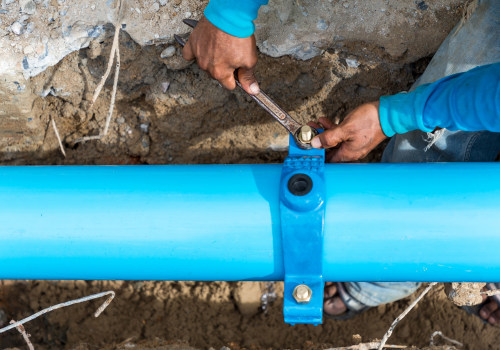
When fittings are not adequately tightened or secured, it can lead to leaks that may go unnoticed for long periods. These leaks can cause water damage, mold growth, and structural issues within the property. In many cases, homeowners may attempt to fix these issues themselves only to find that they have exacerbated the problem. The longer a leak goes unaddressed, the more extensive and expensive the repairs will become. A common misconception is that all plumbing installations can be handled as DIY projects.
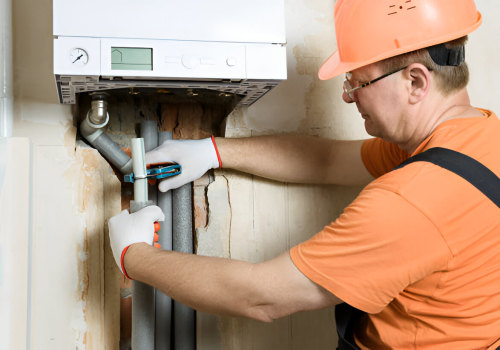
While it is commendable for homeowners to take on certain tasks themselves, some installations necessitate professional expertise. For instance, complex systems involving gas lines or intricate drainage require a licensed plumber who understands the local building codes and safety regulations. Attempting such installations without proper knowledge can lead to severe consequences, including legal issues or hazardous situations. Choosing between licensed plumbers and unlicensed options can significantly impact the quality of your plumbing installation. Licensed plumbers bring a wealth of experience and knowledge to the table, ensuring that installations are performed correctly and according to code.
They are familiar with local regulations in Portland and can provide valuable advice on best practices for plumbing systems. On the other hand, unlicensed plumbers may offer lower rates but often lack the necessary training and experience, leading to subpar work that could cost you more in repairs down the line. In summary, avoiding common mistakes during installation is essential for both functionality and compliance with local codes. Issues like improper pipe sizing and unsecured fittings can lead to significant repercussions, including increased repair costs and potential damage to property. While taking on DIY projects can be rewarding, certain installations require professional expertise to ensure safety and effectiveness.
Homeowners and business owners alike should prioritize hiring qualified professionals to avoid these pitfalls and invest in a reliable plumbing system.
Ignoring Water Pressure Requirements
One of the most critical aspects of plumbing installation is understanding and adhering to water pressure requirements. Failing to properly assess the water pressure can lead to a host of issues that may not only disrupt the functionality of the plumbing system but can also result in costly repairs down the line. When water pressure is too high, it can cause stress on pipes and fixtures, leading to leaks and even bursts. Conversely, insufficient water pressure can result in poor water flow, affecting everything from shower performance to appliance efficiency. Homeowners and business owners must recognize that the proper balance of pressure is essential for a fully operational plumbing system. In Portland, where plumbing systems must often cope with varying water supply conditions, understanding these requirements becomes even more critical.Engaging with a qualified plumbing professional who can accurately measure and adjust water pressure is vital in ensuring that your installation meets both local codes and personal needs. Ignoring this aspect not only jeopardizes the integrity of the plumbing system but can also exacerbate emergency situations, leading to further inconvenience and financial strain.
Not Understanding Local Plumbing Codes
Understanding local plumbing codes is crucial for any plumbing installation project in Portland. Each city and even neighborhoods within Portland may have specific regulations that dictate how plumbing systems must be installed and maintained. Ignoring these codes can lead to serious repercussions, including fines, mandatory corrections, and even safety hazards. Local plumbing codes are designed to ensure that installations meet safety standards and function efficiently.For example, certain areas may require specific types of materials or installation techniques to prevent leaks or water contamination. Failing to comply with these regulations can not only result in costly repairs but also create emergencies that could have been avoided with proper planning. Homeowners and business owners must be aware that non-compliance with local plumbing codes can have significant implications for property value and insurance claims. If a plumbing issue arises and it is discovered that the work was not completed according to code, the consequences could be dire. Before starting any plumbing installation, it is essential to consult the latest local plumbing codes in Portland. This ensures that your project adheres to all necessary regulations, ultimately saving you time, money, and potential headaches down the line.
Underestimating the Importance of Quality Materials
When it comes to plumbing installations, using subpar materials can lead to a myriad of problems down the line.Homeowners and business owners often overlook the significance of investing in quality materials, thinking that cheaper options will suffice. However, this decision can compromise not only the longevity of the plumbing system but also its overall safety.Low-quality pipes, fittings, and fixtures are more prone to leaks, corrosion, and breakage. These issues can escalate into costly repairs and even emergencies that require immediate attention. For instance, using inferior pipes may result in frequent clogs and backups, which can lead to water damage and mold growth if not addressed promptly.
Moreover, substandard materials may not withstand the pressure and temperature fluctuations typical in plumbing systems, increasing the risk of failures. In Portland, where the plumbing landscape can vary greatly due to local regulations and environmental conditions, it is crucial to choose materials that meet industry standards. Investing in high-quality plumbing materials not only ensures a more durable installation but also provides peace of mind for homeowners and business owners alike. Remember, the initial savings from cheap materials can quickly be overshadowed by the long-term costs associated with repairs and replacements.
Neglecting Drainage Solutions
One of the most significant common mistakes to avoid during installation is neglecting proper drainage solutions. Poor installation practices can lead to a variety of drainage issues that not only affect the functionality of your plumbing system but can also result in expensive repairs and long-term damage to your property. When drainage systems are improperly installed, water can accumulate and cause significant problems.For instance, if drainpipes are not sloped correctly, they may not allow for proper water flow. This can lead to standing water, which can become a breeding ground for mold and bacteria, posing health risks for homeowners and business owners alike. Additionally, clogged drains can occur as a result of inadequate pipe sizing or incorrect materials being used during installation. These clogs can result in slow drainage or backups, leading to emergency plumbing situations that could have been easily avoided with proper planning and execution. Furthermore, neglecting to install appropriate traps and vents can lead to sewer gas leaks, which not only create unpleasant odors but also pose serious health hazards. Proper ventilation is crucial in ensuring that air flows freely through the plumbing system, preventing dangerous gas buildup. In summary, addressing common drainage issues during the installation process is vital.
By ensuring that all drainage solutions are properly considered and implemented, you can prevent costly repairs and maintain a safe and functional plumbing system for years to come.
Overlooking Necessary Permits
When embarking on any plumbing installation project, overlooking necessary permits can lead to significant complications. Obtaining the proper permits is crucial as they ensure that the installation meets local codes and regulations, which are designed to protect your property and the safety of its occupants. Without these permits, you risk facing fines, legal issues, or even having to redo the work to comply with standards. Moreover, in cities like Portland, where building codes can be stringent, failing to secure the necessary approvals can result in costly repairs later. If an installation is found to be non-compliant during an inspection, homeowners or business owners may be forced to dismantle and redo the entire system, incurring unexpected expenses and delays. Additionally, having the right permits demonstrates to future buyers that the work was done properly and legally, adding value to your property.Therefore, it is essential to consult with local authorities or a licensed plumber who understands the permitting process before starting any plumbing installation. This proactive approach not only saves time and money but also ensures peace of mind during the installation process.
Failure to Plan for Future Maintenance
One of the most critical common mistakes to avoid during installation is the failure to plan for future maintenance. When installing plumbing systems, whether in a residential or commercial setting, it is essential to consider how accessible these fixtures will be for future repairs or inspections. Many homeowners and business owners overlook this crucial aspect, which can lead to significant inconveniences later on. By ensuring that pipes, valves, and other plumbing components are easily reachable, you can save yourself from potential headaches and costly repairs down the line.For instance, if a valve is installed behind a wall or in an obscure corner, accessing it for routine maintenance or emergency repairs could require extensive demolition work. This not only increases the cost of repairs but also disrupts your daily life or business operations. To avoid these issues, take the time during installation to assess the layout and plan accordingly. Consider installing access panels for critical fixtures and placing plumbing components in locations that allow for easy access. Additionally, labeling shut-off valves and other important features can be beneficial for anyone who may need to perform maintenance in the future. In summary, planning for future maintenance during the initial installation phase can lead to significant savings and ease of access in the long run.
By prioritizing this aspect, you can ensure a smoother experience with your plumbing system and avoid unnecessary complications. In conclusion, understanding and avoiding common mistakes during plumbing installation is crucial for both homeowners and business owners in Portland.